Let's be real about depression, anxiety, and sex
Depression and anxiety don't just make you sad or worried. They hijack the entire arousal chain. Your brain stops sending the signals. Your body doesn't respond the way it used to. Touch that used to feel electric now feels like nothing. The frustration of that gap can actually make the depression and anxiety worse, which makes the pleasure loss worse, which tanks your mood again. It's a cycle that feeds itself.
Here's the thing nobody tells you: you're not broken. Your nervous system is stuck in self-protection mode. And there's actually a tool that can help you unstick it without requiring you to feel better first.
That's where a lemon clitoral vibrator comes in. Not as a miracle cure. As a reset button.
How depression and anxiety actually affect arousal
Depression dampens dopamine, the neurotransmitter that makes pleasure feel like pleasure. Anxiety keeps your nervous system in fight-or-flight, which is the opposite of the parasympathetic state you need for arousal. Your body is literally being told not to engage. So when you try to access pleasure and nothing happens, that's not laziness or loss of desire. That's neurobiology.
Anxiety adds a second layer. Your brain spends bandwidth on worry and intrusive thoughts instead of sensation. Even if you wanted to focus on pleasure, the rumination gets in the way. Depression adds a third layer: anhedonia, which means the reward centers in your brain have gone quiet. Things that used to feel good feel neutral.
The usual advice is "just relax" or "wait until you feel better." But that assumes you have the capacity to relax or the luxury of time. Most people with depression and anxiety need to start somewhere smaller. Somewhere the pressure is off.
Why a lemon vibrator is different from solo touch
When you use your fingers, you have to generate the momentum yourself. You have to decide how much pressure, how fast, how long. That decision-making and self-direction requires executive function that depression specifically tanks. Anxiety makes it hard to stay focused. You end up in your head instead of in your body.
A lemon vibrator removes that cognitive load. The device does the work. All you have to do is hold it in place and notice what happens. That difference is huge for people whose brains are running low on fuel.
There's also the direct stimulation factor. The Lem and other lemon clitoral vibrators use gentle suction and vibration that creates a different kind of sensation than manual touch. For people whose nervous systems are dysregulated, this specific input can feel less overwhelming and more grounding than friction-based stimulation. The pattern gives your nervous system something predictable to track.

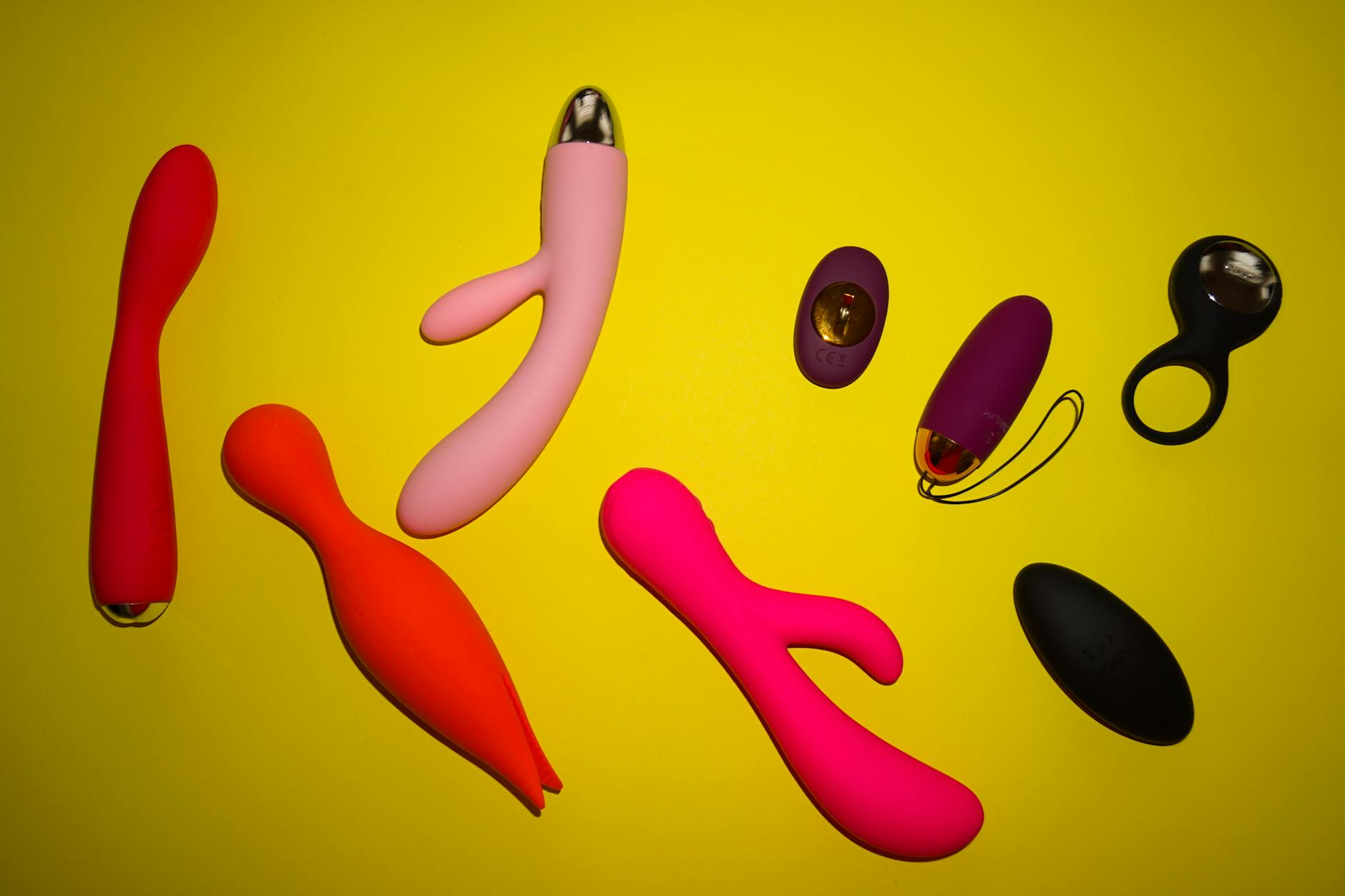
Photo by FounderTips on Pexels
Starting when nothing feels good
The biggest barrier is usually shame. If you have depression or anxiety, pleasure feels selfish or stupid or like one more thing you're failing at. So let me be clear: using a lemon sexual toy when you're struggling is not indulgent. It's nervous system regulation. It's the same reason people take walks or take baths or listen to music.
Start with zero expectations about orgasm or intense sensation. The goal in week one is just to notice what happens. No pressure. If you feel nothing, that's information, not failure.
Here's how I'd approach it:
Choose a time when you have at least 15 minutes and nobody will interrupt. Depression and anxiety make you hyper-vigilant. You need actual safety, not just the assumption of it. Lock the door if that helps. Silence your phone.
Get physically comfortable first. Lie down. Pillows matter. If you're tense, your nervous system is still in protection mode. Spend 2-3 minutes just breathing before you touch anything.
Start with the lowest pattern setting. Most lemon clitoral vibrators have a range. The lowest is not weak. It's just gentler on tissue that's already stressed and resistant. Let your nervous system acclimate.
Hold the vibrator in place and breathe. Don't make it a performance. Don't grade your body's response. Just let it sit there and notice: Does the vibration feel pleasant? Neutral? Too much? All of those are useful.
If you feel nothing, try a different body position or a slightly higher setting. But also consider that your nervous system might need multiple sessions to downregulate before sensation comes back. That's completely normal.
Building a sustainable rhythm
Once you've had a few sessions where something shifts, you can build from there. But sustainable means meeting yourself where you actually are.
If you have depression and anxiety, daily solo sessions might sound good on paper and feel impossible in reality. Three times a week is a better foundation. Consistency matters more than intensity. Your nervous system will start to recognize the pattern and respond more quickly.
If your depression or anxiety is treatment-resistant, solo pleasure work might need to stay low-key. Don't level up to longer sessions or higher intensities because you think you should. Lemon vibrators are tools, not goals.
If you're on antidepressants or anti-anxiety medication, pleasure might take longer to return. That's expected. Some medications genuinely suppress arousal. If that's happening, that's worth discussing with your prescriber. You might need a dosage adjustment or a medication switch. But while you're figuring that out, a clitoral vibrator can still help you stay connected to your body.
The role of your partner, if you have one
If you're in a relationship, this work doesn't have to stay solo. But it does have to happen on your terms. The worst thing a partner can do is try to "help" by touching you or suggesting you use a toy. The best thing is to say: "I'm working on reconnecting with my body. I might seem distant, and that's okay. I'm doing the work."
Once you've rebuilt some sensation alone, using a lemon clitoral vibrator together can be a way to rebuild intimacy without the pressure of performance. But that comes after, not before.
If your partner is the source of your anxiety or a trigger for it, this work might need professional support. A therapist can help you figure out whether pleasure loss is about the relationship or about your brain chemistry, or both.
When to get professional help alongside this
Using a lemon clitoral vibrator is not a replacement for therapy or medication. Full stop. If you have clinical depression or an anxiety disorder, you need evidence-based treatment. A toy can help your nervous system regulate while you're getting that treatment, but it's not the treatment itself.
That said, if you notice that pleasure gradually returns as you use a vibrator regularly and your depression or anxiety improves with treatment, that's feedback. It means your nervous system is healing. Keep going.
If you notice that no amount of sexual stimulation helps and your pleasure loss is absolute, that could be a sign that your medication needs adjusting or your treatment protocol needs changing. Mention it to your therapist or prescriber.
If your arousal loss is tangled up with trauma, grief, or relationship injury, solo pleasure work might need to happen alongside trauma-informed therapy. Sometimes what looks like low arousal from depression is actually your nervous system protecting you from something else.
The point: a lemon vibrator can be part of your toolkit. It's not the whole toolkit.
FAQ: Low arousal, depression, and pleasure reconnection
Can I use a clitoral vibrator if I'm on antidepressants or anti-anxiety medication?
Yes. Some antidepressants do suppress arousal, but that doesn't make solo pleasure work off-limits. It might take longer to feel sensation, and you might need a higher vibration setting than you'd expect. If your medication is severely flattening arousal months after you started it, that's worth discussing with your prescriber. They might suggest a dosage change or switching to a medication with fewer sexual side effects. In the meantime, a lemon clitoral vibrator can help you maintain some connection to sensation.
What if I feel guilty using a toy when I have depression?
That guilt is part of the depression talking. Your brain is telling you that you don't deserve pleasure, that it's selfish, that you should be doing something "productive." That's the illness speaking, not truth. Using a vibrator to regulate your nervous system is as legitimate as taking a medication or going to therapy. Give yourself permission to do this for your mental health, not despite it.
How long does it take for arousal to come back?
It depends on the severity of your depression or anxiety, whether you're in treatment, how long you've been struggling, and your individual neurobiology. Some people feel a shift within a few sessions. Others need weeks. If you're also treating the underlying depression with therapy or medication, pleasure often returns gradually as your overall mood improves. Be patient with yourself.
Can my partner use a lemon vibrator on me if I have anxiety?
Maybe, but probably not right away. If your anxiety is about control, vulnerability, or being touched, partner-led vibration can feel invasive. Solo sessions first let you build trust with sensation on your own terms. Once you've reestablished that connection, you can explore partner involvement. And if partner involvement always feels triggering, that's fine too. Plenty of people find solo pleasure work sufficient.
Is it normal that nothing feels good yet after a few tries?
Completely normal. Depression and anxiety anesthetize sensation. Your nervous system is protecting you from overwhelming input. Give it time and consistency. You're not failing. Your body is just slow to trust that it's safe to feel again.
What if I still have zero arousal after weeks of using a lemon clitoral vibrator?
That might mean your depression or anxiety needs a different treatment approach. Talk to your mental health provider about whether your current medication or therapy is working. It might also mean that pleasure loss is pointing to something else. Are you grieving? Is your relationship in crisis? Is there an underlying trauma? Sometimes what looks like low arousal is actually your nervous system telling you something important. A therapist can help you decode that message.
The real work starts here
Reconnecting with pleasure when your brain chemistry is working against you is not quick. It's not effortless. But it's possible. A lemon vibrator can be a bridge back to your body while you're doing the harder work of treating the depression or anxiety itself. You don't have to wait until you feel better to start. You can start right now, from exactly where you are, with zero expectations. That's enough.